


Hey there, fellow gardening enthusiasts! I'm a supplier in the garden décor biz, and I know how crucial it is to pick the right garden planters for that perfect outdoor look. Today, I'm gonna share some tips on how to choose the ones that'll take your garden from ordinary to extraordinary.
Understanding Your Garden's Style
First things first, you gotta understand the style of your garden. Is it a modern, minimalist space with clean lines and geometric shapes? Or maybe it's a rustic, cottage - style garden full of wildflowers and cozy nooks. Your garden's style will be the guiding star when choosing planters.
For a modern garden, sleek and simple planters made of materials like stainless steel or concrete are a great fit. They add a contemporary touch and won't compete with the overall design. On the other hand, if you have a cottage - style garden, terracotta or wooden planters with a bit of weathered charm will blend right in. They give that warm, inviting feel that's perfect for this style.
Considering the Size and Scale
Size matters, folks! You don't want to end up with planters that are too big and overpower your garden or too small and get lost in the landscape. Think about the space where you'll place the planters. If you have a large, open area, you can go for bigger planters to make a statement. But if you're working with a small balcony or a tight corner, smaller, more delicate planters will do the trick.
Also, consider the scale of the plants you'll be growing. Tall, bushy plants need larger planters to support their root systems and keep them stable. Smaller, trailing plants can do well in smaller containers. For example, if you're growing a large palm tree, you'll need a hefty, wide - based planter to keep it upright.
Material, Material, Material
The material of the planter not only affects its look but also its durability and functionality. Let's take a look at some common materials:
- Terracotta: This classic material is porous, which means it allows air and water to pass through the walls of the planter. This is great for plant roots as it helps prevent over - watering. Terracotta has a warm, earthy color that looks beautiful in most garden settings. However, it can crack in freezing temperatures, so if you live in a cold climate, you might need to bring your terracotta planters indoors during winter.
- Plastic: Plastic planters are lightweight, affordable, and come in a wide variety of colors and styles. They're also resistant to cracking and chipping, making them a practical choice for busy gardens or for those who move their planters around a lot. But be aware that some plastics can degrade over time when exposed to sunlight.
- Concrete: Concrete planters are heavy and sturdy, perfect for large plants or for areas where you need a stable base. They have a modern, industrial look that can add a touch of sophistication to your garden. However, they can be quite expensive and difficult to move once they're filled with soil and plants.
- Wood: Wooden planters give a natural, rustic look to your garden. They're great for cottage - style or woodland gardens. Wood is also a good insulator, which can help keep the soil temperature more stable. But you need to treat the wood to prevent rot and decay, especially if it's going to be in contact with the ground.
Color Coordination
Color can make or break the look of your garden planters. You want the planters to complement the colors of your plants and the overall color scheme of your garden. If you have a lot of colorful flowers, you might want to choose neutral - colored planters like white, black, or gray to let the plants shine. On the other hand, if your plants are mostly green, you can add a pop of color with brightly - colored planters.
For example, if you're growing purple petunias, a white or silver planter will make the flowers stand out. Or, if you have a collection of succulents in various shades of green, a bright red or orange planter can add a fun and unexpected element.
Drainage is Key
Don't forget about drainage! Proper drainage is essential for the health of your plants. Without it, water can accumulate in the planter, leading to root rot and other problems. Make sure your planters have drainage holes at the bottom. If you find a planter you love that doesn't have drainage holes, you can drill them yourself (just be careful if it's a fragile material like terracotta).
You can also add a layer of gravel or broken pottery at the bottom of the planter before adding soil. This helps create a space for excess water to collect and drain away from the roots.
Accessories and Add - ons
Now, let's talk about how you can take your garden planters to the next level with some accessories. You can add decorative elements like statues or figurines to make your planters more interesting. For example, you can place a White Swan Decor next to a large planter filled with flowers. It'll add a touch of elegance and charm to your garden.
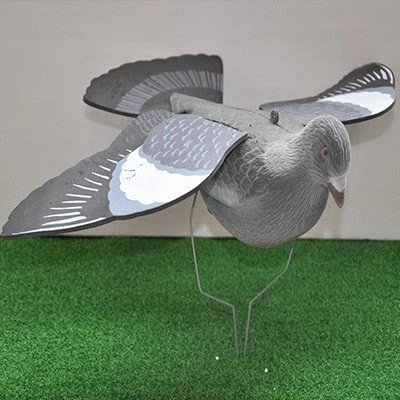
If you're looking to keep pests away, you can use items like the Black Plastic Crow or Simulation Pigeon. These can be placed near your planters to scare off unwanted birds or rodents.
Maintenance and Long - Term Use
Think about how much maintenance you're willing to do for your planters. Some materials, like terracotta, require more care to prevent cracking and staining. Plastic planters are generally low - maintenance, but they might need to be replaced more often.
Also, consider the long - term use of the planters. If you're planning to change your garden design in a few years, you might want to choose more affordable and versatile planters. But if you're looking for a permanent addition to your garden, investing in high - quality, durable planters is a good idea.

Wrapping It Up
Choosing the right garden planters for décor is all about finding the perfect balance between style, functionality, and practicality. By considering your garden's style, size, material, color, drainage, and accessories, you can create a beautiful and unique outdoor space.
If you're interested in purchasing garden planters or any of the garden décor items I've mentioned, feel free to reach out. I'm here to help you find the perfect pieces for your garden. Whether you're a seasoned gardener or just starting out, I've got a wide range of options to suit your needs. Let's work together to make your garden dreams a reality!
References
- "The Complete Book of Container Gardening" by Larry Hodgson
- "Gardening for Beginners" by The Old Farmer's Almanac
- Various online gardening forums and blogs


