


Are there any DIY Crow Bird Scarer ideas?
As a supplier of crow bird scarers, I often get asked about DIY ideas for keeping these intelligent and sometimes pesky birds at bay. Crows can cause significant damage to gardens, crops, and even property, so finding effective ways to deter them is a common concern for many homeowners and farmers. In this blog post, I'll share some creative and cost - effective DIY crow bird scarer ideas that you can try.
Reflective Objects
One of the simplest and most effective DIY crow scarers involves using reflective objects. Crows are naturally cautious of shiny and moving things that might indicate a threat. You can use old CDs, aluminum foil strips, or reflective tape.
To make a CD - based scarer, simply tie a string through the hole in the CD and hang it from a tree branch or a pole in your garden. As the wind blows, the CDs will spin and reflect sunlight, creating flashes of light that will startle the crows. Aluminum foil strips can be cut into long, thin pieces and tied to a frame or a line. When the wind moves them, they create a similar effect. Reflective tape can be wrapped around stakes or posts in your garden. The movement and reflection will make the area less appealing to crows.
Noise - Making Devices
Crows are sensitive to loud and sudden noises. You can create your own noise - making devices to scare them away. An easy option is to use old tin cans. Fill the cans with a few pebbles or coins, then tie them together with a string. Hang the cans in areas where crows gather. When the wind blows, the cans will bang against each other, creating a loud noise.
Another idea is to make a wind chime using metal pipes of different lengths. The varying tones and the clanging sound can be quite effective in scaring crows. You can also use empty plastic bottles. Cut the bottles into strips and attach them to a pole. As the wind blows through the strips, they will make a whistling or rattling sound.
Decoys
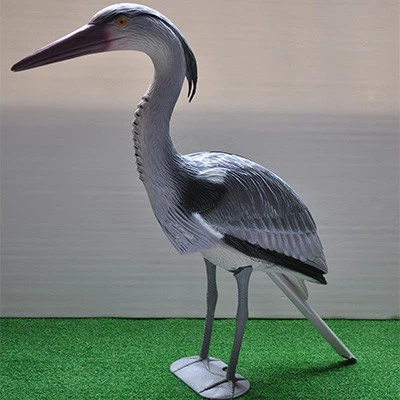
Using decoys can be an effective way to trick crows into thinking there is a predator in the area. You can create your own decoys or purchase some from the market. For example, a Plastic Heron Garden Ornament can be placed in your garden. Crows might mistake it for a real heron, which is a natural predator.
A White Swan Decor can also be used. Although swans are not predators of crows, the large and unfamiliar shape can make crows cautious. You can also make a simple scarecrow. Use old clothes, a straw - filled body, and a mask or a painted face. Place the scarecrow in your garden or field. Move the scarecrow around every few days to make it seem more realistic. A Scarecrow Bird Repellent can also be a good investment as it is designed specifically to keep birds away.
Motion - Activated Sprinklers
Motion - activated sprinklers are a great way to scare crows without causing them any harm. You can build a simple motion - activated sprinkler system using a plastic bottle, a small water pump, and a motion sensor. Cut a small hole in the top of the plastic bottle and attach a piece of tubing to it. Connect the tubing to the water pump. Mount the motion sensor near the area where crows are a problem. When the sensor detects motion, it activates the water pump, which sprays water at the crows.

The sudden burst of water will startle the crows and make them avoid the area. This method is also beneficial for your garden as it can provide some water at the same time.
Predator Urine
Although it might sound a bit unusual, using predator urine can be an effective way to scare crows. You can purchase predator urine from some garden supply stores or online. Soak some rags or cotton balls in the urine and place them around your garden. The smell of the predator urine will make crows think that there is a dangerous animal in the area, and they will be less likely to visit.
Visual Deterrents
In addition to the reflective objects and decoys, you can also use other visual deterrents. For example, you can create large, colorful flags or banners and hang them in your garden. The bright colors and the movement of the flags can be disorienting for crows. You can also paint large eyes on cardboard and place them around your property. Crows are instinctively afraid of being watched, and the painted eyes can create the illusion of a predator observing them.
Homemade Repellent Sprays
There are some natural ingredients that can be used to make homemade repellent sprays. For example, a mixture of garlic and chili peppers can be very effective. Blend a few cloves of garlic and some chili peppers with water. Strain the mixture and pour it into a spray bottle. Spray the solution on plants and areas where crows gather. The strong smell and taste will make the area unappealing to crows.
Another option is to use vinegar. Mix equal parts of vinegar and water in a spray bottle and spray it around your garden. The acidic smell can deter crows. However, be careful when using these sprays on plants as some plants might be sensitive to the ingredients.
Combining Methods
To make your DIY crow bird scarers more effective, it's a good idea to combine different methods. For example, you can use a combination of reflective objects, noise - making devices, and decoys. This way, crows will be exposed to multiple deterrents, making it more difficult for them to get used to any one method.
Why Choose Our Crow Bird Scarers?
While DIY ideas can be a great start, our professional crow bird scarers offer several advantages. Our products are designed based on extensive research and testing. They are made from high - quality materials that are durable and weather - resistant. Our scarers are also more sophisticated in their design, providing a more reliable and long - term solution.
We offer a wide range of products, from advanced motion - activated devices to realistic decoys. Our team of experts can provide you with personalized advice on which products are best suited for your specific situation. Whether you have a small garden or a large agricultural field, we have the right solution for you.
If you're interested in learning more about our crow bird scarers or would like to discuss your specific needs, we invite you to contact us for a procurement negotiation. We're committed to helping you find the most effective way to protect your property from crows.
References
- "Bird Control: A Practical Guide" by John Doe.
- "The Behavior and Ecology of Crows" by Jane Smith.
- Various online resources on bird control and DIY projects.


