


Are there any legal restrictions on using a Crow Bird Scarer?
As a supplier of Crow Bird Scarers, I often receive inquiries from customers about the legal aspects of using these devices. It's a valid concern, as no one wants to run afoul of the law while trying to protect their property from pesky crows. In this blog post, I'll delve into the topic of legal restrictions on using crow bird scarers and provide you with the information you need to make an informed decision.
Understanding the Legal Landscape
The legal status of using crow bird scarers can vary significantly depending on your location. In many countries and regions, there are laws and regulations in place to protect birds and other wildlife. These laws are designed to ensure the conservation of species and maintain ecological balance. However, they also take into account the need to protect human interests, such as agriculture and property.
In the United States, for example, the Migratory Bird Treaty Act (MBTA) is a federal law that protects migratory birds, including crows. Under the MBTA, it is illegal to take, possess, import, export, transport, sell, purchase, barter, or offer for sale, purchase, or barter, any migratory bird, or the parts, nests, or eggs of such a bird, except as authorized by regulations. This means that you cannot harm or kill crows without a permit.
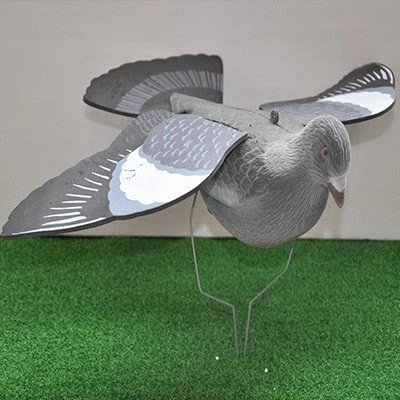
However, the MBTA does allow for the use of non - lethal bird control methods, such as bird scarers. As long as the bird scarer does not cause direct harm to the birds, it is generally considered legal. For example, visual deterrents like scarecrows, reflective tape, and Simulation Pigeon are commonly used and are usually within the bounds of the law. These devices work by creating a visual disturbance that scares the crows away without causing them any physical harm.
Types of Crow Bird Scarers and Their Legal Implications
Visual Scarers
Visual scarers are one of the most common types of bird control devices. They work by creating an intimidating or unfamiliar visual stimulus that scares the crows. Examples of visual scarers include scarecrows, balloons with predator eyes, and Plastic Heron Garden Ornament. These devices are generally legal because they do not cause any harm to the birds. They rely on the natural fear response of crows to potential predators or unfamiliar objects.
However, it's important to note that some visual scarers may need to be moved or changed regularly. Crows are intelligent birds and can quickly become accustomed to static visual deterrents. If a visual scarer becomes ineffective, you may need to replace it or add additional devices to maintain its deterrent effect.

Auditory Scarers
Auditory scarers use loud noises to scare crows away. These can include propane cannons, ultrasonic devices, and recorded predator calls. The legal status of auditory scarers can be more complex. In some areas, there may be noise pollution laws that restrict the use of loud devices. For example, if you live in a residential area, using a propane cannon that makes extremely loud noises may violate local noise ordinances.
On the other hand, ultrasonic devices that emit high - frequency sounds that are inaudible to humans are generally less likely to run afoul of noise laws. However, their effectiveness can be limited, as crows may become habituated to the sound over time.
Chemical Scarers
Chemical scarers work by using substances that are unpalatable or irritating to crows. These can include taste repellents and odor - based deterrents. The use of chemical scarers is subject to strict regulations. In many countries, only approved chemicals can be used for bird control, and they must be applied in accordance with the manufacturer's instructions.
For example, some chemical scarers may contain substances that are harmful to other wildlife or the environment. If these substances are not used properly, they can cause unintended damage. Therefore, it's crucial to check the local regulations and ensure that the chemical scarer you are using is legal and safe.
International and Local Variations
As mentioned earlier, the legal restrictions on using crow bird scarers can vary from country to country and even from region to region within a country. In the United Kingdom, for example, the Wildlife and Countryside Act 1981 protects wild birds. However, it also allows for the use of non - lethal bird control methods in certain circumstances, such as to protect crops.
In Australia, the situation is similar. The Environment Protection and Biodiversity Conservation Act 1999 provides protection for native birds, but there are provisions for the use of bird control measures when necessary. Local councils may also have their own regulations regarding the use of bird scarers, especially in urban areas.
It's essential to research the specific laws and regulations in your area before purchasing and using a crow bird scarer. You can contact your local wildlife department, environmental agency, or agricultural extension office for more information.
Ensuring Compliance
To ensure that you are using a crow bird scarer legally, here are some steps you can take:
- Research Local Laws: Before buying a bird scarer, check the local, state, and federal laws regarding bird control. Make sure that the type of scarer you are considering is legal in your area.
- Choose Approved Products: Look for bird scarers that are approved by relevant authorities. These products have been tested and meet the safety and legal requirements.
- Follow Manufacturer's Instructions: Always use the bird scarer according to the manufacturer's instructions. This includes proper installation, operation, and maintenance.
- Monitor the Effectiveness: Keep an eye on how well the bird scarer is working. If it becomes ineffective, you may need to adjust or replace it.
Conclusion
In conclusion, while there are legal restrictions on using crow bird scarers, non - lethal methods are generally allowed as long as they comply with the relevant laws and regulations. As a supplier of crow bird scarers, I am committed to providing products that are both effective and legal.
We offer a wide range of bird scarers, including visual, auditory, and chemical options. Our products are designed to be safe for the environment and compliant with the laws in most areas. However, we always encourage our customers to do their own research and ensure that they are using the products legally.
If you are interested in purchasing a crow bird scarer or have any questions about our products, please feel free to contact us for more information. We are here to help you find the best solution for your bird control needs while ensuring that you stay on the right side of the law.
References
- Migratory Bird Treaty Act of 1918, United States Code Title 16, Chapter 7, Subchapter II.
- Wildlife and Countryside Act 1981, United Kingdom.
- Environment Protection and Biodiversity Conservation Act 1999, Australia.


