


Can a Simulation Pigeon be used for research?
In the realm of scientific research, the use of various tools and models is crucial for advancing our understanding of the natural world. One such tool that has gained attention in recent years is the Simulation Pigeon. As a supplier of Simulation Pigeons, I am often asked about the potential applications of these artificial birds in research. In this blog post, I will explore the question of whether a Simulation Pigeon can be used for research and discuss some of the possible areas where they could be valuable.
Understanding Simulation Pigeons
Before delving into their research potential, it's important to understand what a Simulation Pigeon is. These are artificial replicas of pigeons that are designed to mimic the appearance and, in some cases, the behavior of real pigeons. They are typically made from materials such as plastic or rubber and can be found in a variety of sizes and colors. Some Simulation Pigeons are even equipped with features like moving wings or realistic sounds to enhance their authenticity.
Advantages of Using Simulation Pigeons in Research
There are several advantages to using Simulation Pigeons in research. One of the main benefits is that they offer a controlled and reproducible experimental environment. Unlike real pigeons, which can be influenced by a variety of factors such as weather, food availability, and social interactions, Simulation Pigeons can be manipulated and studied under specific conditions. This allows researchers to isolate variables and test hypotheses more accurately.
Another advantage is that Simulation Pigeons can be used to study behaviors that are difficult or impossible to observe in real pigeons. For example, researchers can use Simulation Pigeons to study the effects of predation on pigeon behavior without actually harming any real birds. They can also use Simulation Pigeons to study the impact of environmental changes on pigeon populations over time.
In addition, Simulation Pigeons can be a cost-effective alternative to using real pigeons in research. Real pigeons require food, housing, and veterinary care, which can be expensive and time-consuming. Simulation Pigeons, on the other hand, are relatively inexpensive to purchase and maintain. They can also be reused multiple times, making them a more sustainable option for research.
Potential Research Applications
There are several areas where Simulation Pigeons could be used for research. One potential application is in the study of animal behavior. By using Simulation Pigeons, researchers can study how pigeons interact with each other, their environment, and potential predators. This can provide valuable insights into the social and ecological dynamics of pigeon populations.

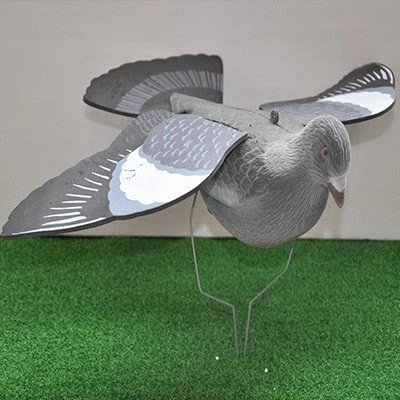
Another potential application is in the field of robotics and artificial intelligence. Simulation Pigeons can be used as models to develop and test algorithms for autonomous robots. By mimicking the behavior of pigeons, researchers can create robots that are more efficient, adaptable, and resilient in complex environments.
Simulation Pigeons could also be used in the study of sensory perception. By manipulating the appearance and behavior of Simulation Pigeons, researchers can study how pigeons perceive and respond to different stimuli. This can provide valuable insights into the neural mechanisms underlying sensory processing in birds.
Limitations and Challenges
While there are many potential benefits to using Simulation Pigeons in research, there are also some limitations and challenges that need to be considered. One of the main limitations is that Simulation Pigeons are artificial replicas and may not fully capture the complexity and variability of real pigeon behavior. This can limit the generalizability of the research findings to real-world situations.
Another challenge is that the use of Simulation Pigeons may raise ethical concerns. Some people may argue that using artificial replicas of animals in research is unethical or that it may lead to a devaluation of real animals. It is important for researchers to address these concerns and ensure that their research is conducted in an ethical and responsible manner.
Conclusion
In conclusion, a Simulation Pigeon can be a valuable tool for research in a variety of fields. They offer a controlled and reproducible experimental environment, can be used to study behaviors that are difficult or impossible to observe in real pigeons, and are a cost-effective alternative to using real pigeons. However, it is important to recognize the limitations and challenges associated with using Simulation Pigeons and to ensure that their use is ethical and responsible.
If you are interested in using Simulation Pigeons for your research, I encourage you to [contact us] to discuss your specific needs and requirements. We offer a wide range of Simulation Pigeons, as well as other artificial bird models such as Plastic Garden Ducks and Black Plastic Crow. Our team of experts can provide you with the support and guidance you need to conduct successful research using our products.
References
- [List any relevant scientific papers, books, or other sources of information here]


