



Can a Walking Green House be used for growing legumes?
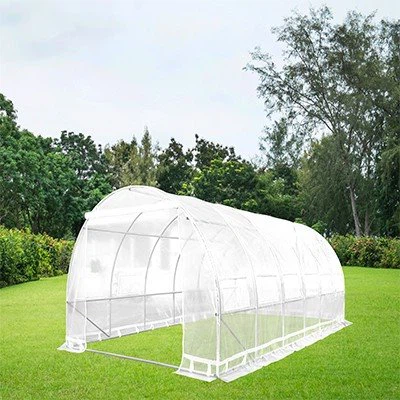
As a supplier of Walking Green Houses, I've often been asked about the versatility of these structures, especially when it comes to growing specific types of crops. One question that frequently arises is whether a Walking Green House can be effectively used for growing legumes. In this blog post, I'll explore the feasibility of using a Walking Green House for legume cultivation, discussing the benefits, challenges, and best practices.
Benefits of Using a Walking Green House for Legume Cultivation
-
Climate Control
One of the primary advantages of a Walking Green House is its ability to provide a controlled environment. Legumes, such as beans, peas, and lentils, have specific temperature, humidity, and light requirements for optimal growth. A Walking Green House allows you to regulate these factors, ensuring that your legumes are grown in the most favorable conditions. For example, you can adjust the ventilation to maintain the right temperature and humidity levels, protecting your plants from extreme weather conditions. -
Protection from Pests and Diseases
Another significant benefit is the protection it offers against pests and diseases. Walking Green Houses act as a physical barrier, preventing insects, birds, and other pests from accessing your legume crops. This reduces the need for chemical pesticides, making your cultivation more environmentally friendly and your produce healthier. Additionally, the controlled environment inside the greenhouse can help prevent the spread of diseases, as you can maintain proper air circulation and hygiene. -
Extended Growing Season
With a Walking Green House, you can extend the growing season for legumes. You can start planting earlier in the spring and continue growing later into the fall, taking advantage of the protected environment. This not only allows you to produce more crops throughout the year but also gives you the opportunity to experiment with different varieties of legumes that may not be suitable for your local climate outside of the greenhouse.
-
Space Efficiency
Walking Green Houses are designed to maximize space utilization. You can arrange your legume plants in a more organized manner, making the most of the available area. This is particularly beneficial for small-scale growers or those with limited land. You can use vertical gardening techniques, such as trellises, to grow climbing legumes like pole beans, increasing your yield per square foot.
Challenges of Using a Walking Green House for Legume Cultivation
-
Pollination
Most legumes are self-pollinating, but some, like certain varieties of beans, may require external pollination. In a closed greenhouse environment, the lack of natural pollinators, such as bees, can be a challenge. To overcome this, you can introduce artificial pollination methods, such as hand pollination or using a small fan to simulate wind and help spread pollen. -
Soil Management
Maintaining proper soil quality is crucial for legume growth. In a Walking Green House, the soil can become depleted more quickly due to continuous cultivation. You need to regularly test the soil and add organic matter, such as compost or manure, to replenish nutrients. Additionally, proper drainage is essential to prevent waterlogging, which can lead to root rot. -
Ventilation
While climate control is a benefit, improper ventilation can also be a problem. If the greenhouse is not well-ventilated, it can lead to high humidity levels, which can promote the growth of mold and mildew. You need to ensure that your Walking Green House has adequate ventilation systems, such as vents and fans, to maintain good air circulation.
Best Practices for Growing Legumes in a Walking Green House
-
Choose the Right Varieties
Not all legume varieties are suitable for greenhouse cultivation. When selecting legumes for your Walking Green House, choose varieties that are well-suited to the controlled environment. Look for varieties that are disease-resistant, have a compact growth habit, and can tolerate the temperature and humidity levels inside the greenhouse. -
Prepare the Soil
Before planting, prepare the soil in your Walking Green House. Remove any weeds or debris and loosen the soil to a depth of at least 6 inches. Add organic matter, such as compost or well-rotted manure, to improve soil fertility and structure. You can also add a balanced fertilizer to provide essential nutrients for your legume plants. -
Planting and Spacing
Follow the recommended planting depth and spacing for the legume varieties you are growing. Planting too closely can lead to overcrowding, which can reduce air circulation and increase the risk of disease. Use trellises or stakes for climbing legumes to support their growth and prevent them from sprawling on the ground. -
Watering and Fertilizing
Legumes have specific water and fertilizer requirements. Water your plants regularly, but avoid overwatering, as this can lead to root rot. Use a soaker hose or drip irrigation system to deliver water directly to the roots. Fertilize your legume plants with a balanced fertilizer, following the manufacturer's instructions. You can also use organic fertilizers, such as fish emulsion or bone meal, to provide additional nutrients. -
Monitoring and Maintenance
Regularly monitor your legume plants for signs of pests, diseases, or nutrient deficiencies. Check the temperature, humidity, and ventilation levels inside the greenhouse daily. Prune your plants as needed to remove dead or diseased leaves and branches. Harvest your legumes at the appropriate time to ensure maximum flavor and nutritional value.
Conclusion
In conclusion, a Walking Green House can be an excellent option for growing legumes. It offers numerous benefits, including climate control, protection from pests and diseases, extended growing season, and space efficiency. However, it also presents some challenges, such as pollination, soil management, and ventilation. By following the best practices outlined in this blog post, you can successfully grow legumes in your Walking Green House and enjoy a bountiful harvest.
If you're interested in purchasing a Walking Green House for your legume cultivation or have any questions, please feel free to contact us for a consultation. We're here to help you make the most of your greenhouse and achieve your gardening goals.
References
- "The Vegetable Gardener's Bible" by Edward C. Smith
- "Greenhouse Gardening for Beginners" by Barbara Pleasant
- Various research articles on legume cultivation in controlled environments


