


Leveling an outdoor gazebo on uneven ground is a crucial step to ensure its stability, longevity, and overall functionality. As an outdoor gazebo supplier, I've encountered numerous customers facing this challenge. In this blog post, I'll share some practical tips and techniques on how to level an outdoor gazebo effectively.
Why Leveling is Important
Before delving into the leveling process, it's essential to understand why leveling is so important. An unlevel gazebo can lead to a host of problems, including:
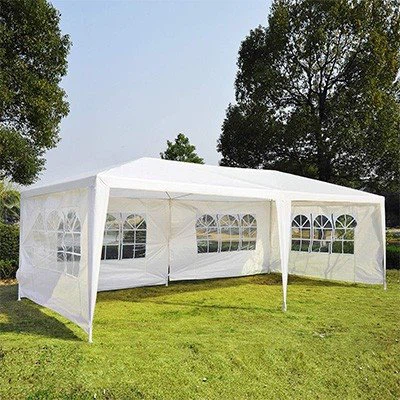
- Structural Damage: Uneven weight distribution can put excessive stress on certain parts of the gazebo, leading to premature wear and tear, and even structural failure over time.
- Water Accumulation: If the gazebo is not level, water may pool on the roof or in the corners, causing water damage, mold growth, and rust.
- Safety Hazards: An unstable gazebo can pose a safety risk, especially in windy conditions or when people are using it. It may wobble, tip over, or collapse, causing injury to those inside.
Assessing the Ground
The first step in leveling an outdoor gazebo is to assess the ground where it will be installed. Here are some things to consider:
- Slope: Determine the slope of the ground. A gentle slope of up to 2-3 degrees is usually acceptable, but anything steeper may require more extensive leveling.
- Surface Type: The type of surface also matters. Soft, uneven ground, such as grass or dirt, may require more preparation than a hard, flat surface like concrete or asphalt.
- Obstacles: Look for any obstacles, such as rocks, tree roots, or bumps, that may interfere with the installation or cause the gazebo to be uneven.
Tools and Materials Needed
To level an outdoor gazebo, you'll need the following tools and materials:
- Tape Measure: To measure the dimensions of the gazebo and the ground.
- Level: A spirit level or a laser level to check the levelness of the ground and the gazebo.
- Shovels and Rakes: To dig and level the ground.
- Gravel or Sand: To create a stable base for the gazebo.
- Adjustable Legs or Shims: To fine-tune the levelness of the gazebo.
- Screwdriver or Wrench: To tighten the bolts and screws of the gazebo.
Leveling Methods
There are several methods you can use to level an outdoor gazebo on uneven ground. The method you choose will depend on the slope of the ground, the type of surface, and the size and weight of the gazebo. Here are some common methods:
Method 1: Digging and Filling
This method is suitable for soft, uneven ground with a gentle slope. Here's how to do it:
- Mark the Area: Use a tape measure and stakes to mark the area where the gazebo will be installed. Make sure the area is large enough to accommodate the gazebo and any additional space you may need.
- Dig the Ground: Use a shovel to dig out the high spots and fill in the low spots. Try to create a relatively flat surface with a slope of no more than 2-3 degrees.
- Add Gravel or Sand: Once the ground is level, add a layer of gravel or sand to the area. This will help to create a stable base for the gazebo and improve drainage.
- Compact the Base: Use a tamper or a plate compactor to compact the gravel or sand. This will make the base more solid and prevent it from settling over time.
- Install the Gazebo: Place the gazebo on the prepared base and use a level to check its levelness. Adjust the legs or use shims to fine-tune the levelness as needed.
Method 2: Using Adjustable Legs
Many modern outdoor gazebos come with adjustable legs that allow you to level the gazebo on uneven ground. Here's how to use them:
- Place the Gazebo: Position the gazebo on the ground where you want it to be installed.
- Adjust the Legs: Use a level to check the levelness of the gazebo. If it's not level, adjust the legs by turning the screws or using the adjustable mechanisms provided.
- Tighten the Legs: Once the gazebo is level, tighten the bolts or screws on the legs to secure them in place.
- Check the Levelness Again: Use a level to double-check the levelness of the gazebo. Make any final adjustments as needed.
Method 3: Using Shims
Shims are thin, wedge-shaped pieces of material that can be used to level the gazebo on uneven ground. Here's how to use them:
- Place the Gazebo: Position the gazebo on the ground where you want it to be installed.
- Check the Levelness: Use a level to check the levelness of the gazebo. If it's not level, identify the low spots.
- Insert the Shims: Place the shims under the legs of the gazebo at the low spots. Start with thin shims and gradually add more until the gazebo is level.
- Secure the Shims: Once the gazebo is level, use a screwdriver or a wrench to tighten the bolts or screws on the legs to secure the shims in place.
- Check the Levelness Again: Use a level to double-check the levelness of the gazebo. Make any final adjustments as needed.
Additional Tips
Here are some additional tips to help you level an outdoor gazebo on uneven ground:
- Read the Manufacturer's Instructions: Before installing the gazebo, read the manufacturer's instructions carefully. They may provide specific guidelines on how to level the gazebo and what tools and materials to use.
- Get Help: Leveling an outdoor gazebo can be a challenging task, especially if it's large or heavy. Consider getting help from a friend or a professional installer to make the process easier and safer.
- Test the Stability: Once the gazebo is level and installed, test its stability by gently shaking it. If it wobbles or feels unstable, make further adjustments or add additional support.
- Maintain the Levelness: Over time, the ground may settle or shift, causing the gazebo to become unlevel again. Periodically check the levelness of the gazebo and make any necessary adjustments to ensure its continued stability.
Conclusion
Leveling an outdoor gazebo on uneven ground is a necessary step to ensure its stability, longevity, and safety. By following the tips and techniques outlined in this blog post, you can level your gazebo effectively and enjoy it for years to come.
If you're in the market for a high-quality outdoor gazebo, I recommend checking out our Heavy Duty All Weather Gazebo. It's designed to withstand the elements and provide a comfortable and stylish outdoor space for you and your family.
If you have any questions or need further assistance with leveling your outdoor gazebo or choosing the right gazebo for your needs, please don't hesitate to contact us. We're here to help you make the most of your outdoor living space.
References
- Outdoor Living Network. (n.d.). How to Level a Gazebo on Uneven Ground. Retrieved from [Website URL]
- DIY Network. (n.d.). Leveling a Gazebo. Retrieved from [Website URL]
- Home Depot. (n.d.). How to Install a Gazebo. Retrieved from [Website URL]


