



Maintaining a raised garden bed is essential for a thriving and productive garden. As a supplier of raised garden beds, I've seen firsthand how a well - maintained bed can transform a backyard into a lush oasis. In this blog, I'll share some tips on how to keep your raised garden bed in top shape.
1. Selecting the Right Raised Garden Bed
First things first, choosing the right raised garden bed is crucial. At our store, we offer a variety of options, like the Corten Steel Garden Planter. Corten steel is great because it's durable and develops a beautiful rust - like patina over time that actually protects it from further corrosion.

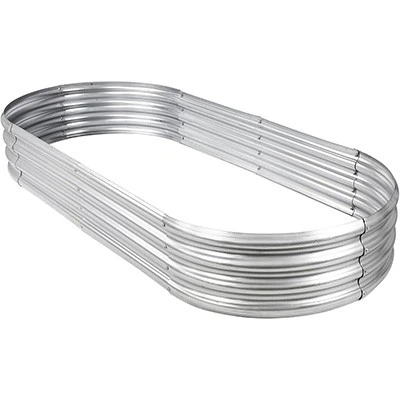
Another popular choice is the Metal Raised Bed Kits. These kits are easy to assemble and come with everything you need to get your garden up and running quickly. And if you're looking for something for your outdoor space, the Outdoor Metal Raised Garden Bed is a solid option. It's built to withstand the elements and can hold a good amount of soil and plants.
2. Soil Preparation and Maintenance
The soil in your raised garden bed is like the foundation of a house. You need to start with high - quality soil. A good mix usually consists of topsoil, compost, and peat moss. Compost is especially important as it adds nutrients to the soil and improves its structure.
Before planting, make sure to loosen the soil to a depth of at least 12 inches. This allows the plant roots to grow easily. Throughout the growing season, you should add more compost or organic fertilizer every few weeks. This keeps the soil rich in nutrients and helps your plants grow strong and healthy.
Also, keep an eye on the soil's pH level. Different plants prefer different pH levels. You can buy a simple soil testing kit at a garden center to check the pH. If it's too acidic or alkaline, you can adjust it by adding lime to raise the pH or sulfur to lower it.
3. Watering Your Raised Garden Bed
Proper watering is key. Raised garden beds tend to dry out faster than traditional gardens, so you need to water them more often. But don't over - water either, as this can lead to root rot.
A good rule of thumb is to water deeply but infrequently. This encourages the plant roots to grow deeper into the soil in search of water. You can use a soaker hose or a drip irrigation system. These methods deliver water directly to the soil, reducing water waste and preventing the leaves from getting wet, which can lead to diseases.
In hot weather, you may need to water your raised garden bed every day or every other day. In cooler weather, once or twice a week may be enough. Check the soil moisture by sticking your finger about an inch into the soil. If it feels dry, it's time to water.
4. Weed Control
Weeds are the enemy of any garden. They compete with your plants for nutrients, water, and sunlight. In a raised garden bed, it's easier to control weeds compared to a traditional garden.
Mulching is a great way to prevent weeds from growing. You can use organic mulches like straw, wood chips, or shredded leaves. Spread a layer of mulch about 2 - 3 inches thick around your plants. This not only blocks the sunlight that weeds need to grow but also helps retain soil moisture.
Regularly check your raised garden bed for any weeds that manage to pop up. Pull them out as soon as you see them, especially when they're small. It's much easier to remove them then than when they're fully grown.
5. Pest and Disease Management
Pests and diseases can quickly ruin your garden. But there are several ways to keep them at bay.
One of the best ways is to practice good garden hygiene. Remove any dead or diseased plants immediately. This prevents the spread of diseases. You can also use natural pest control methods. For example, ladybugs are great at eating aphids, and birds can help control caterpillars.
If you do have a pest problem, you can use organic pesticides. These are less harmful to the environment and your plants. Neem oil is a popular choice. It can be used to control a variety of pests, including mites, whiteflies, and aphids.
6. Pruning and Harvesting
Pruning is important for the health and appearance of your plants. It helps shape the plants, promotes new growth, and improves air circulation. Different plants have different pruning requirements. For example, tomatoes need to have their suckers removed to focus their energy on fruit production.
Harvesting your crops at the right time is also crucial. This not only ensures that you get the best - tasting produce but also encourages the plants to keep producing. For example, pick lettuce when the leaves are young and tender, and harvest tomatoes when they're fully ripe.
7. Seasonal Maintenance
Each season brings different maintenance tasks for your raised garden bed.
In the spring, it's time to clean up your garden bed. Remove any debris from the winter and prepare the soil for planting. You can also start seeds indoors and transplant them outside once the weather warms up.
In the summer, focus on watering, weeding, and pest control. Make sure your plants are getting enough water during the hot months.
In the fall, harvest any remaining crops and add a layer of compost to the soil. This enriches the soil over the winter. You can also plant some cold - hardy crops like kale and spinach.
In the winter, you can cover your raised garden bed with a tarp or a layer of straw to protect the soil from erosion and freezing.
Contact Us for Your Raised Garden Bed Needs
Maintaining a raised garden bed takes some effort, but the rewards are well worth it. If you're interested in purchasing a raised garden bed or need more advice on garden maintenance, don't hesitate to reach out. We're here to help you create the garden of your dreams. Whether you're a beginner or an experienced gardener, we have the products and knowledge to support you.
References
- "The Vegetable Gardener's Bible" by Edward C. Smith
- "Rodale's Ultimate Encyclopedia of Organic Gardening" by Fern Marshall Bradley


