


Hey there, fellow gardening enthusiasts! As a supplier of raised garden beds, I've seen firsthand how these nifty structures can transform your gardening experience. But one thing that often gets overlooked is maintaining the edges of a raised garden bed. Trust me, it's not just about aesthetics; it's crucial for the longevity and functionality of your garden bed. So, let's dive into some practical tips on how to keep those edges in top shape.
Why Maintaining Edges Matters
First off, why should you care about the edges of your raised garden bed? Well, for starters, they serve as the boundary that holds your soil in place. Without proper maintenance, the edges can start to deteriorate, causing soil to spill out and creating an uneven surface. This not only looks messy but can also lead to erosion and loss of valuable nutrients.
Secondly, well-maintained edges can prevent weeds from encroaching on your garden. A sturdy edge acts as a barrier, making it harder for weeds to take root and spread. This means less time spent pulling weeds and more time enjoying your beautiful garden.
Finally, the edges of your raised garden bed contribute to the overall look of your outdoor space. Whether you have a modern, rustic, or traditional garden, well-kept edges can enhance the aesthetic appeal and make your garden stand out.
Choosing the Right Materials
The first step in maintaining the edges of your raised garden bed is choosing the right materials. There are several options available, each with its own advantages and disadvantages.
- Wood: Wood is a popular choice for raised garden beds because it's natural, affordable, and easy to work with. However, it's also prone to rot and decay, especially if it's constantly exposed to moisture. To prevent this, choose a durable wood species like cedar or redwood, and treat it with a wood preservative before installing it. You can also line the inside of the bed with a waterproof membrane to further protect the wood.
- Stone: Stone is a more expensive option, but it's also extremely durable and long-lasting. It can add a touch of elegance and sophistication to your garden, and it's resistant to rot, decay, and insect damage. However, stone can be heavy and difficult to install, so you may need to hire a professional to do the job.
- Brick: Brick is another popular choice for raised garden beds because it's versatile, affordable, and easy to install. It comes in a variety of colors and styles, so you can choose the one that best suits your garden's aesthetic. Like stone, brick is also resistant to rot, decay, and insect damage, but it may require more maintenance over time.
- Metal: Metal raised garden beds are becoming increasingly popular because they're durable, lightweight, and easy to clean. They're also resistant to rot, decay, and insect damage, and they come in a variety of shapes and sizes. However, metal can heat up quickly in the sun, which can be harmful to your plants. To prevent this, choose a metal bed with a light-colored finish or paint it with a reflective paint.
If you're looking for the best raised garden beds on the market, check out The Best Raised Garden Beds. They offer a wide range of high-quality raised garden beds made from a variety of materials, so you're sure to find the perfect one for your garden.
Installation and Assembly
Once you've chosen the right materials for your raised garden bed, it's time to install and assemble it. This is an important step in maintaining the edges of your garden bed, as proper installation can prevent issues like shifting, settling, and warping.
- Prepare the Site: Before you start installing your raised garden bed, make sure the site is level and free of debris. Remove any grass, weeds, or rocks from the area, and use a rake or shovel to level the ground.
- Mark the Outline: Use a tape measure and stakes to mark the outline of your raised garden bed. Make sure the corners are square and the sides are straight.
- Install the Edges: Depending on the type of material you're using, you may need to use screws, nails, or brackets to attach the edges of your raised garden bed. Follow the manufacturer's instructions carefully, and make sure the edges are securely fastened.
- Fill the Bed: Once the edges of your raised garden bed are installed, it's time to fill it with soil. Choose a high-quality soil mix that's rich in nutrients and organic matter, and fill the bed to within a few inches of the top.
- Level the Soil: Use a rake or shovel to level the soil in the bed, and make sure it's evenly distributed. You can also add a layer of mulch on top of the soil to help retain moisture and prevent weeds from growing.
If you're looking for a pre-assembled raised garden bed set, check out Raised Garden Bed Set. They offer a variety of raised garden bed sets that are easy to install and come with everything you need to get started.
Regular Maintenance
Once your raised garden bed is installed and filled with soil, it's important to perform regular maintenance to keep the edges in good condition. Here are some tips to help you maintain the edges of your raised garden bed:
- Inspect the Edges Regularly: Check the edges of your raised garden bed regularly for signs of damage, such as cracks, splits, or rot. If you notice any issues, repair them as soon as possible to prevent further damage.
- Clean the Edges: Use a garden hose or pressure washer to clean the edges of your raised garden bed regularly. This will remove any dirt, debris, or stains that may have accumulated on the surface. You can also use a mild detergent or cleaning solution to remove stubborn stains.
- Trim the Grass and Weeds: Keep the grass and weeds around the edges of your raised garden bed trimmed to prevent them from growing into the bed. You can use a lawn mower, weed eater, or garden shears to trim the grass and weeds.
- Add Mulch: Adding a layer of mulch around the edges of your raised garden bed can help retain moisture, prevent weeds from growing, and protect the edges from damage. Choose a mulch that's appropriate for your climate and soil type, and apply it to a depth of 2-3 inches.
- Reinforce the Edges: If you notice that the edges of your raised garden bed are starting to sag or shift, you may need to reinforce them. You can do this by adding additional support posts or brackets, or by installing a retaining wall around the outside of the bed.
Dealing with Common Issues
Even with regular maintenance, you may still encounter some common issues with the edges of your raised garden bed. Here are some tips on how to deal with these issues:
- Rot and Decay: If you notice that the edges of your wooden raised garden bed are starting to rot or decay, you'll need to replace the affected sections. Cut out the damaged wood with a saw, and replace it with a new piece of wood that's the same size and shape. Make sure to treat the new wood with a wood preservative before installing it.
- Insect Damage: Insects like termites and carpenter ants can cause significant damage to the edges of your wooden raised garden bed. To prevent this, keep the area around the bed clean and free of debris, and inspect the wood regularly for signs of insect damage. If you notice any issues, contact a pest control professional to treat the problem.
- Shifting and Settling: Over time, the edges of your raised garden bed may start to shift or settle, especially if the soil beneath it is unstable. To prevent this, make sure the site is properly prepared before installing the bed, and use a level to ensure that it's installed evenly. You can also add additional support posts or brackets to reinforce the edges and prevent them from shifting.
- Warping and Cracking: Wood can warp and crack over time, especially if it's exposed to extreme temperatures or moisture. To prevent this, choose a durable wood species, treat it with a wood preservative, and avoid placing the bed in direct sunlight or near a source of heat. You can also use a waterproof membrane to line the inside of the bed and protect the wood from moisture.
Conclusion
Maintaining the edges of your raised garden bed is an important part of keeping your garden healthy, beautiful, and functional. By choosing the right materials, installing the bed properly, and performing regular maintenance, you can ensure that the edges of your raised garden bed last for many years to come.

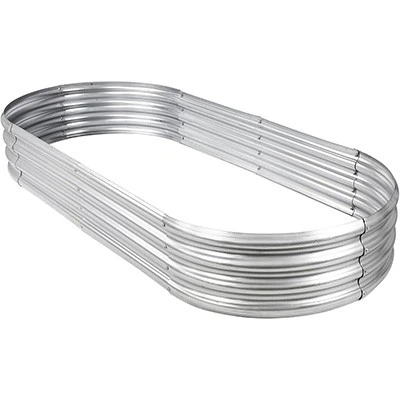
If you're interested in purchasing a raised garden bed or have any questions about maintaining the edges of your existing bed, please don't hesitate to contact us. We're a leading supplier of raised garden beds, and we're committed to providing our customers with high-quality products and excellent customer service. Whether you're a beginner or an experienced gardener, we can help you find the perfect raised garden bed for your needs and budget.
Let's work together to create the garden of your dreams!
References
- Smith, J. (2023). The Complete Guide to Raised Garden Beds. Gardening Today.
- Johnson, A. (2022). Choosing the Right Materials for Your Raised Garden Bed. Home and Garden Magazine.
- Brown, C. (2021). Maintaining the Edges of Your Raised Garden Bed. Outdoor Living Blog.


