


Hey there! As an outdoor gazebo supplier, I've seen my fair share of gazebos affected by mold. It's a real headache for homeowners, but don't worry – I've got some solid tips on how to prevent mold on an outdoor gazebo.
First off, let's talk about why mold grows in the first place. Mold loves damp, dark, and warm environments. An outdoor gazebo can easily become a breeding ground for mold, especially if it's not properly maintained. When moisture gets trapped on the gazebo's surfaces, whether it's from rain, humidity, or even condensation, mold spores can start to grow and spread.
Choose the Right Gazebo Material
One of the best ways to prevent mold is to start with the right material when you're buying a gazebo. Some materials are more resistant to mold than others. For example, metal and vinyl gazebos are great options. They don't absorb moisture like wood does, so mold has a harder time taking hold.
If you're a fan of the natural look of wood, don't worry. You can still go for a wooden gazebo, but make sure it's treated with a mold-resistant finish. Look for products that are specifically designed to protect wood from moisture and mold. And if you're in the market for a heavy-duty, all-weather gazebo, check out our Heavy Duty All Weather Gazebo. It's built to withstand the elements and is less likely to develop mold.
Proper Installation and Placement
Where you place your gazebo and how it's installed can also make a big difference in preventing mold. Make sure the gazebo is installed on a level surface with good drainage. If water pools around the base of the gazebo, it can seep into the structure and create a moist environment for mold to grow.
Also, consider the location of your gazebo. Try to place it in an area that gets plenty of sunlight. Sunlight helps to dry out the gazebo and prevent moisture from building up. Avoid placing it in a corner or against a wall where air circulation is limited. Good air flow is essential for keeping the gazebo dry and mold-free.
Regular Cleaning and Maintenance
Regular cleaning is key to preventing mold on your outdoor gazebo. You should clean your gazebo at least once a season, or more often if you live in a humid climate. Start by removing any debris, such as leaves, twigs, and dirt, from the roof and the floor of the gazebo. You can use a broom or a leaf blower to do this.
Next, wash the gazebo with a mild soap and water solution. Use a soft brush or a sponge to gently scrub the surfaces. Pay special attention to areas where mold is likely to grow, such as the corners, joints, and under the eaves. Rinse the gazebo thoroughly with a hose to remove all the soap residue.
After cleaning, make sure the gazebo is completely dry before covering it or leaving it for an extended period. You can use a towel or a squeegee to remove any excess water. If possible, open the sides of the gazebo to allow air to circulate and help it dry faster.
Use Mold-Resistant Products
There are several mold-resistant products that you can use to protect your outdoor gazebo. For example, you can apply a mold-resistant spray or coating to the surfaces of the gazebo. These products create a protective barrier that helps to prevent mold from growing.
You can also use a dehumidifier inside the gazebo if it's enclosed. A dehumidifier helps to remove excess moisture from the air, making it less likely for mold to develop. Just make sure to empty the water collection tank regularly.
Cover Your Gazebo
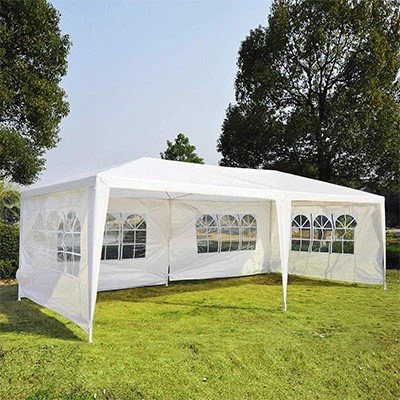
When your gazebo is not in use, it's a good idea to cover it with a waterproof cover. A cover helps to protect the gazebo from the elements, including rain, snow, and UV rays. It also prevents leaves, debris, and moisture from accumulating on the gazebo.
Make sure the cover fits properly and is secured tightly. A loose cover can allow water to seep in and create a moist environment for mold. And when you're putting the cover on, make sure the gazebo is dry to avoid trapping moisture inside.
Monitor and Inspect Regularly
Finally, it's important to monitor and inspect your outdoor gazebo regularly for signs of mold. Look for any discoloration, musty odors, or fuzzy growth on the surfaces of the gazebo. If you notice any signs of mold, take action immediately.
You can remove small patches of mold with a mixture of vinegar and water. Just spray the solution on the moldy area and let it sit for a few minutes. Then, scrub the area with a brush and rinse it off. For larger areas of mold, you may need to use a commercial mold remover.
In conclusion, preventing mold on an outdoor gazebo requires a combination of the right materials, proper installation, regular cleaning, and maintenance. By following these tips, you can keep your gazebo looking great and mold-free for years to come.
If you're interested in purchasing an outdoor gazebo or have any questions about mold prevention, feel free to reach out to us. We're here to help you find the perfect gazebo for your needs and ensure that you can enjoy it without worrying about mold.
References
- "Mold Prevention Tips for Outdoor Structures." Home Maintenance Magazine.
- "Choosing the Right Material for Your Outdoor Gazebo." Outdoor Living Today.


