


When it comes to gardening, one of the first decisions you'll face is choosing between in - ground and raised garden beds. As a supplier of raised garden beds, I've had the opportunity to see the benefits and drawbacks of both options up close. In this blog post, I'll explore the differences between in - ground and raised garden beds to help you make an informed decision for your gardening needs.
Soil Quality and Drainage
One of the most significant differences between in - ground and raised garden beds lies in soil quality and drainage. In - ground gardens rely on the existing soil in your yard. This soil can vary widely in quality, depending on factors such as location, previous land use, and local geology. In some areas, the native soil may be rich and fertile, ideal for growing a wide variety of plants. However, in other regions, the soil may be compacted, rocky, or have poor drainage, which can pose challenges for plant growth.
Raised garden beds, on the other hand, allow you to have complete control over the soil composition. You can fill your raised beds with a custom - blended soil mix that is tailored to the specific needs of your plants. This often includes a combination of topsoil, compost, and other organic materials, which provide excellent drainage and nutrient retention. For example, if you're growing vegetables that require well - drained soil, you can create a mix with a higher proportion of sand or perlite. This level of control can lead to healthier plants and higher yields.
Installation and Maintenance
In - ground gardens typically require less initial setup compared to raised garden beds. All you need to do is clear the area of weeds and debris, and you're ready to start planting. However, maintaining an in - ground garden can be more labor - intensive over time. You may need to regularly till the soil to prevent compaction, which can disrupt the root systems of your plants. Additionally, controlling weeds can be more challenging in an in - ground garden, as they have direct access to the surrounding soil and can spread more easily.
Raised garden beds, while requiring more upfront effort to install, offer long - term benefits in terms of maintenance. Most raised beds are made from materials like wood, metal, or stone, which create a defined growing area. This makes it easier to manage weeds, as they are less likely to encroach from the surrounding areas. Moreover, raised beds are often easier to reach, reducing the need for excessive bending and kneeling, which can be a relief for gardeners with back or joint problems. If you're interested in high - quality raised garden beds, check out our Corten Steel Garden Planter, Outdoor Metal Raised Garden Bed, and Metal Raised Bed Kits.
Temperature and Season Extension
The temperature of the soil can have a significant impact on plant growth. In - ground gardens tend to have a more stable soil temperature, as they are in direct contact with the earth. This can be beneficial in areas with extreme temperature fluctuations, as the soil acts as a buffer, protecting the roots of your plants from rapid temperature changes. However, in colder climates, the soil in in - ground gardens may take longer to warm up in the spring, delaying the start of the growing season.
Raised garden beds, due to their elevated nature, warm up more quickly in the spring. This allows you to start planting earlier and extend your growing season. The increased air circulation around the raised beds also helps to prevent soil diseases caused by excessive moisture, as the soil dries out more quickly. In the fall, raised beds can retain heat better than in - ground gardens, providing a bit of extra warmth for your plants as the temperatures start to drop.
Pest and Animal Control
In - ground gardens are more vulnerable to pests and animals. Since they are at ground level, it's easier for pests like slugs, snails, and groundhogs to access your plants. You may need to use various pest control methods, such as pesticides or physical barriers, to protect your crops. Additionally, in - ground gardens can be more attractive to burrowing animals, which can damage the roots of your plants.
Raised garden beds offer a natural barrier against many pests and animals. The elevated height makes it more difficult for slugs and snails to reach your plants, and it can deter some larger animals like rabbits and deer. You can also add additional protection, such as mesh covers or fencing, to further safeguard your raised beds. This can reduce the need for chemical pesticides and create a more environmentally friendly growing environment.
Aesthetics and Space Utilization
In - ground gardens can blend seamlessly into the natural landscape of your yard, creating a more organic and rustic look. They can be designed in various shapes and sizes, and you can incorporate pathways and decorative elements to enhance their appearance. However, in - ground gardens may not be as visually distinct, especially if they are located in a large yard.

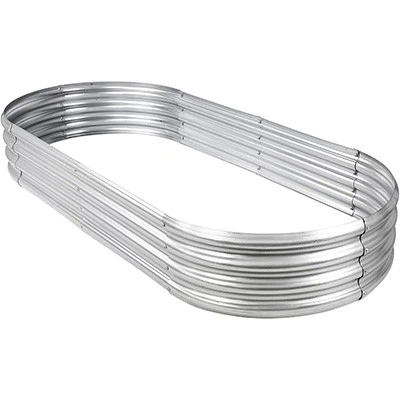
Raised garden beds, on the other hand, add a structured and modern look to your outdoor space. They come in a variety of styles and materials, allowing you to choose an option that complements your home's architecture and overall aesthetic. Additionally, raised beds can be used to maximize space in smaller yards. You can stack them vertically or arrange them in a compact layout, making the most of limited square footage.
Cost
The cost of setting up an in - ground garden is generally lower than that of a raised garden bed. As mentioned earlier, you mainly need to clear the area and purchase seeds or seedlings. However, if your in - ground soil requires significant improvement, you may need to invest in large quantities of soil amendments, which can add up over time.
Raised garden beds have a higher upfront cost, as you need to purchase the materials for the bed itself, as well as the soil mix. However, when you consider the long - term savings in terms of reduced maintenance and higher yields, the investment can be well worth it. Moreover, many raised bed kits are available at a reasonable price, and they often come with everything you need to get started.
Conclusion
In conclusion, both in - ground and raised garden beds have their own unique advantages and disadvantages. In - ground gardens are a great option for those who want a simple, low - cost way to start gardening and have good - quality native soil. On the other hand, raised garden beds offer more control over soil quality, easier maintenance, and better pest control, making them an ideal choice for serious gardeners or those with limited space.
If you're interested in exploring the benefits of raised garden beds for yourself, we invite you to check out our wide range of products, including Corten Steel Garden Planter, Outdoor Metal Raised Garden Bed, and Metal Raised Bed Kits. We're here to help you make the right choice for your gardening needs. Whether you're a novice gardener or an experienced horticulturist, our team can provide you with the guidance and products you need to create a thriving garden. Contact us to start a procurement discussion and take the first step towards a beautiful and productive garden.
References
- "The Vegetable Gardener's Bible" by Edward C. Smith
- "Rodale's All - New Encyclopedia of Organic Gardening" by Fern Marshall Bradley, Barbara W. Ellis, and the experts at Rodale Institute
- "Container Gardening Complete" by Kathy J. Jump


