


As a supplier of Walking Green Houses, I am often asked about the wind resistance capabilities of our innovative products. In this blog post, I will delve into the science behind the wind resistance of Walking Green Houses, explore the factors that contribute to their stability, and highlight why they are a reliable choice for growers in various climates.

Understanding Wind Resistance in Greenhouses
Wind resistance is a critical consideration for any greenhouse structure. Strong winds can exert significant pressure on the greenhouse walls and roof, potentially causing damage or even collapse. To ensure the safety and longevity of a greenhouse, it must be designed and constructed to withstand the wind loads typical of its location.
The wind resistance of a greenhouse is determined by several factors, including its shape, size, materials, and construction methods. A well-designed greenhouse will have a streamlined shape that minimizes wind resistance and distributes the wind loads evenly across the structure. Additionally, the materials used in the construction of the greenhouse must be strong and durable enough to withstand the forces exerted by the wind.
The Design of Walking Green Houses
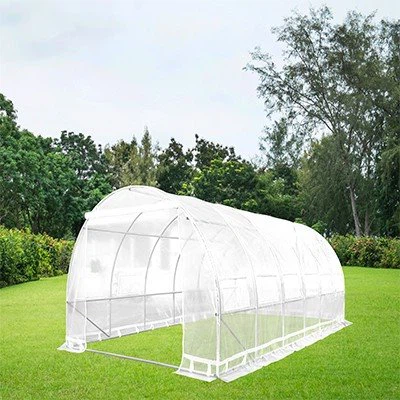
One of the key features of Walking Green Houses is their unique design, which is specifically engineered to enhance wind resistance. Our greenhouses are designed with a low-profile, aerodynamic shape that reduces the wind drag and minimizes the risk of damage from high winds. The curved roof and sloping sides of the greenhouse help to deflect the wind and prevent it from building up pressure against the structure.
In addition to their aerodynamic shape, Walking Green Houses are also constructed using high-quality materials that are designed to withstand the elements. The frame of the greenhouse is typically made from galvanized steel or aluminum, which is strong, lightweight, and resistant to corrosion. The covering material, such as polycarbonate or polyethylene, is also chosen for its durability and strength, providing an additional layer of protection against the wind.
Structural Integrity and Reinforcement
Another important factor in the wind resistance of Walking Green Houses is their structural integrity and reinforcement. Our greenhouses are designed with a robust frame that provides a solid foundation for the structure and helps to distribute the wind loads evenly. The frame is typically reinforced with additional bracing and support members to enhance its strength and stability.
In addition to the frame, Walking Green Houses may also be equipped with other features to enhance their wind resistance. For example, some models may have a weighted base or anchor system to help keep the greenhouse in place during high winds. Others may have a reinforced roof or sidewalls to provide additional protection against the wind.
Testing and Certification
At our company, we take the wind resistance of our Walking Green Houses very seriously. Before any new model is released to the market, it undergoes rigorous testing to ensure that it meets or exceeds the industry standards for wind resistance. Our testing process includes both computer simulations and real-world testing in a wind tunnel to evaluate the performance of the greenhouse under various wind conditions.
In addition to our in-house testing, our Walking Green Houses are also certified by independent third-party organizations to ensure their safety and reliability. These certifications provide growers with the peace of mind that they are investing in a high-quality greenhouse that is designed to withstand the elements.
Benefits of Choosing a Walking Green House
There are several benefits to choosing a Walking Green House for your growing needs, especially when it comes to wind resistance. Here are some of the key advantages:
- Enhanced Safety: The wind resistance capabilities of Walking Green Houses help to ensure the safety of your plants and equipment during high winds. By minimizing the risk of damage or collapse, you can protect your investment and avoid costly repairs or replacements.
- Durability: Our greenhouses are constructed using high-quality materials and advanced construction techniques, which makes them highly durable and long-lasting. They are designed to withstand the harsh weather conditions and provide years of reliable service.
- Versatility: Walking Green Houses are available in a variety of sizes and configurations to suit different growing needs and preferences. Whether you are a small-scale hobbyist or a commercial grower, we have a greenhouse that is right for you.
- Easy Installation: Our greenhouses are designed for easy installation, which means you can have your greenhouse up and running in no time. We provide detailed instructions and support to ensure that the installation process is smooth and hassle-free.
Contact Us for More Information
If you are interested in learning more about the wind resistance capabilities of our Walking Green Houses or would like to discuss your specific growing needs, please contact us today. Our team of experts is available to answer your questions and provide you with the information you need to make an informed decision.
We also invite you to visit our website to learn more about our Grow Tunnel Greenhouse, Tunnel Green House, and Small Greenhouse Tunnel products. Our website provides detailed product information, specifications, and pricing, as well as customer testimonials and reviews.
Thank you for considering our Walking Green Houses for your growing needs. We look forward to working with you to help you achieve your gardening goals.
References
- American Society of Agricultural and Biological Engineers (ASABE). (2014). ASAE Standard S477.2 - Design of Agricultural Structures for Wind Loads.
- National Fire Protection Association (NFPA). (2015). NFPA 1 - Fire Code.
- International Building Code (IBC). (2018). International Code Council.


