


What fruits grow well in a green house?
As a seasoned greenhouse supplier, I've witnessed firsthand the transformative power of these structures in cultivating a diverse range of fruits. Greenhouses offer a controlled environment that shields plants from harsh weather conditions, pests, and diseases, allowing for year - round cultivation and optimal growth. In this blog, I'll explore some of the fruits that thrive in greenhouses and share insights on how to create the perfect growing conditions for them.
Strawberries
Strawberries are a popular choice for greenhouse cultivation due to their relatively short growing cycle and high yield potential. These sweet and juicy berries prefer a slightly acidic soil with a pH between 5.5 and 6.5. In a greenhouse, you can plant strawberries in raised beds, containers, or hanging baskets to maximize space.
Maintaining a consistent temperature is crucial for strawberry growth. During the day, the temperature should be kept between 65°F and 75°F (18°C - 24°C), and at night, it can drop to around 55°F (13°C). Adequate ventilation is also essential to prevent the buildup of humidity, which can lead to fungal diseases. Strawberries require full sun, but in a greenhouse, you may need to provide some shade during the hottest part of the day to prevent sunburn.
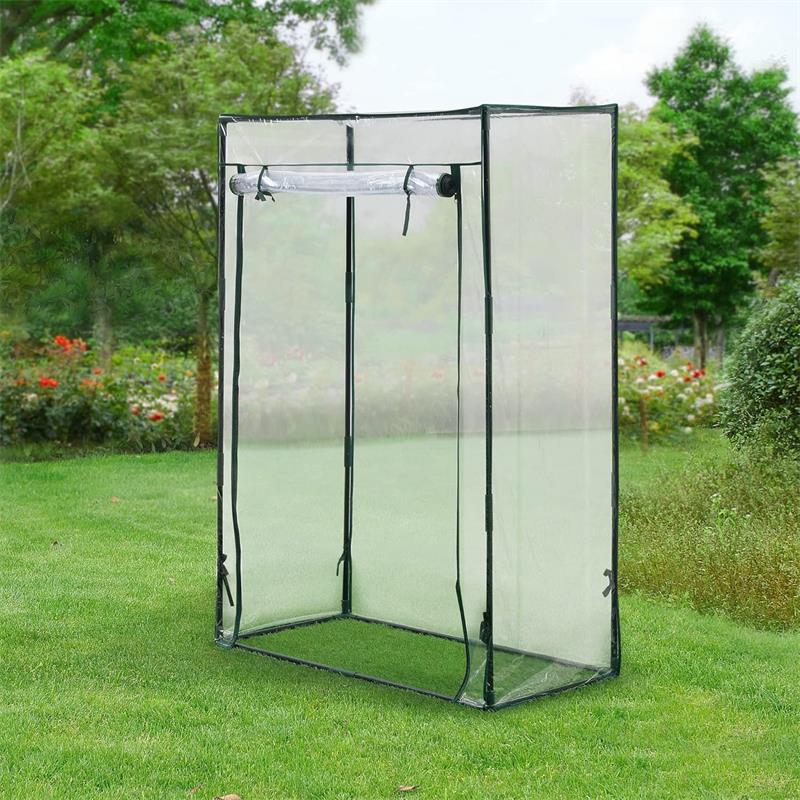
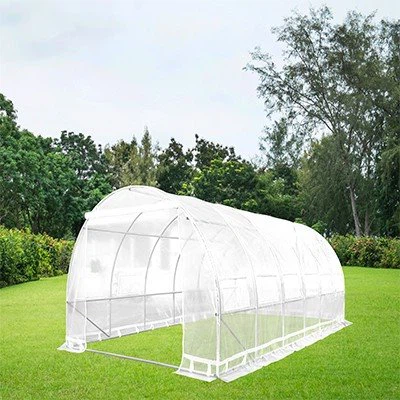
For pollination, you can either introduce bees into the greenhouse or use a small brush to transfer pollen between the flowers manually. With proper care, you can expect to harvest strawberries within 4 - 6 weeks after flowering. If you're interested in growing strawberries in a greenhouse, our small greenhouse for growing tomatoes can be a great option, as it provides a suitable environment for these delicate fruits.
Tomatoes
Tomatoes are another fruit (yes, they are technically a fruit!) that grows exceptionally well in greenhouses. They are warm - season plants that need a lot of sunlight and heat to produce a bountiful harvest. In a greenhouse, you can start tomato seeds earlier in the season than outdoors, giving you a head start on the growing season.
Tomatoes prefer a well - drained soil rich in organic matter. A soil pH between 6.0 and 6.8 is ideal. You can train tomato plants to grow vertically using stakes or trellises to save space and improve air circulation. The temperature inside the greenhouse should be maintained between 70°F and 85°F (21°C - 29°C) during the day and not drop below 60°F (16°C) at night.
Proper watering is crucial for tomato plants. Overwatering can lead to root rot, while underwatering can cause the fruits to crack. It's best to water the plants at the base to keep the foliage dry and prevent the spread of diseases. Tomatoes are self - pollinating, but gentle shaking of the plants or using a small fan can help improve pollination and increase fruit set. Our small greenhouse for growing tomatoes is specifically designed to meet the needs of tomato growers, providing the right amount of light, ventilation, and temperature control.
Peppers
Peppers, both sweet and hot varieties, are well - suited for greenhouse cultivation. They are tropical plants that require warm temperatures and plenty of sunlight. Peppers grow best in a soil with a pH between 6.0 and 7.0.
In a greenhouse, you can start pepper seeds indoors 8 - 10 weeks before the last frost date. Once the seedlings are large enough, transplant them into the greenhouse. Peppers need a consistent temperature of around 70°F - 85°F (21°C - 29°C) during the day and 60°F - 70°F (16°C - 21°C) at night.
Like tomatoes, peppers need support as they grow. You can use cages or stakes to keep the plants upright. Adequate ventilation is important to prevent the development of fungal diseases. Peppers are self - pollinating, but you can gently shake the plants to improve pollination. With proper care, you can harvest peppers within 60 - 90 days after transplanting.
Cucumbers
Cucumbers are fast - growing vines that can produce a large number of fruits in a greenhouse environment. They prefer a soil rich in organic matter with a pH between 6.0 and 6.8.
Cucumbers need plenty of space to grow, so it's a good idea to train them to grow vertically on trellises. The temperature inside the greenhouse should be maintained between 70°F - 85°F (21°C - 29°C) during the day and 60°F - 70°F (16°C - 21°C) at night. High humidity can cause problems for cucumbers, so proper ventilation is essential.
Cucumbers are monoecious, meaning they have both male and female flowers on the same plant. However, they may still require some help with pollination, especially in a closed greenhouse environment. You can use a small brush to transfer pollen from the male flowers to the female flowers. Harvest cucumbers when they are firm and have reached the desired size.
Melons
Melons, such as watermelons and cantaloupes, can also be grown successfully in a greenhouse. They are heat - loving plants that need a lot of space and sunlight. Melons prefer a well - drained soil with a pH between 6.0 and 6.8.
Start melon seeds indoors 3 - 4 weeks before the last frost date. Transplant the seedlings into the greenhouse when the soil has warmed up. Melons need a consistent temperature of around 75°F - 85°F (24°C - 29°C) during the day and 60°F - 70°F (16°C - 21°C) at night.
Melon vines can spread quickly, so it's important to provide them with enough space to grow. You can train the vines to grow on trellises to save space. Adequate ventilation and proper watering are crucial for melon growth. Melons are pollinated by bees, so you may need to introduce bees into the greenhouse or use a small brush to transfer pollen.
Choosing the Right Greenhouse
When it comes to growing these fruits in a greenhouse, choosing the right type of greenhouse is essential. Our Walking Green House provides easy access and plenty of room for you to move around and tend to your plants. It's a great option for small - scale growers who want to grow a variety of fruits.
For larger - scale operations, our Tunnel Green House offers a cost - effective solution. It provides a large growing area and can be customized to meet your specific needs.
Conclusion
Growing fruits in a greenhouse can be a rewarding experience. With the right choice of fruits, proper care, and the appropriate greenhouse structure, you can enjoy a year - round supply of fresh, delicious fruits. Whether you're a hobbyist gardener or a commercial grower, our greenhouses are designed to help you achieve the best results.
If you're interested in learning more about our greenhouse products or have any questions about growing fruits in a greenhouse, we'd love to hear from you. Contact us to start a discussion about your specific requirements and how we can assist you in creating the perfect growing environment for your fruits.
References
- "The Vegetable Gardener's Bible" by Edward C. Smith
- "Greenhouse Gardening for Beginners" by Patricia Lanza
- Various horticultural research papers on greenhouse cultivation of fruits


