


What materials are used to build a green house?
As a seasoned supplier in the greenhouse industry, I've witnessed firsthand the evolution of materials used in greenhouse construction. The choice of materials is crucial as it directly impacts the greenhouse's durability, functionality, and overall performance. In this blog, I'll delve into the various materials commonly used to build greenhouses and their unique characteristics.
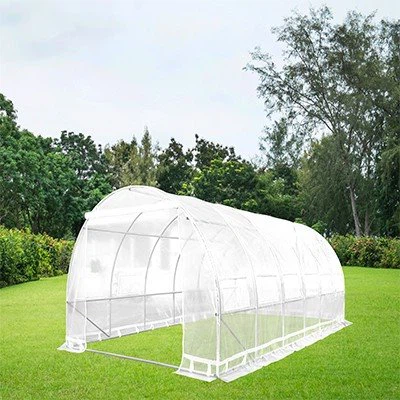

Framing Materials
Aluminum
Aluminum is one of the most popular framing materials for greenhouses due to its numerous advantages. It is lightweight, which makes it easy to handle during construction and reduces the overall load on the foundation. Despite its lightness, aluminum is incredibly strong and resistant to corrosion, ensuring a long lifespan for the greenhouse. It also requires minimal maintenance, as it doesn't rust or rot like some other materials.
Aluminum frames can be easily customized to fit different greenhouse designs and sizes. They are available in a variety of shapes and finishes, allowing for a sleek and modern appearance. Additionally, aluminum has excellent thermal conductivity, which helps in regulating the temperature inside the greenhouse. If you're interested in an aluminum greenhouse, check out our Aluminum Walk In Greenhouse.
Galvanized Steel
Galvanized steel is another reliable framing material. It is known for its high strength and durability, making it suitable for large - scale commercial greenhouses. The galvanization process involves coating the steel with a layer of zinc, which protects it from rust and corrosion. This makes the steel frame able to withstand harsh weather conditions, including strong winds and heavy snow loads.
However, galvanized steel is heavier than aluminum, which may require a more robust foundation. It also has a higher initial cost, but its long - term durability can offset this expense. Galvanized steel frames are often used in industrial - style greenhouses where strength and stability are of utmost importance.
Wood
Wood is a traditional and aesthetically pleasing framing material. It provides a natural look that blends well with the surrounding environment. Wood is relatively easy to work with, allowing for custom designs and easy repairs. It also has good insulating properties, which can help in maintaining a stable temperature inside the greenhouse.
However, wood requires regular maintenance to prevent rot, decay, and insect damage. Treated wood can be used to increase its resistance to these issues, but over time, the treatment may wear off. Wood is also not as strong as metal materials, so it may not be suitable for very large or high - wind areas.
Covering Materials
Polyethylene Film
Polyethylene film is a cost - effective covering material commonly used in small to medium - sized greenhouses. It is lightweight and easy to install. There are different types of polyethylene films available, including single - layer and multi - layer films. Multi - layer films often have better insulation properties and can block harmful UV rays.
Polyethylene film has a relatively short lifespan compared to other covering materials, usually lasting 1 - 3 years. However, it is inexpensive to replace, which makes it a popular choice for growers on a budget. Our Small Tunnel Greenhouse often uses polyethylene film as a covering.
Polycarbonate Sheets
Polycarbonate sheets are a popular alternative to polyethylene film. They are more durable, with a lifespan of 10 - 20 years. Polycarbonate has excellent impact resistance, making it less likely to break or tear compared to film. It also has good insulation properties, which can help in reducing energy costs.
There are two main types of polycarbonate sheets: solid and twin - wall. Twin - wall polycarbonate sheets have better insulation due to the air space between the two layers. Polycarbonate sheets are more expensive than polyethylene film, but their long - term benefits often justify the cost.
Glass
Glass is the most traditional and aesthetically pleasing covering material for greenhouses. It provides excellent light transmission, allowing plants to receive the maximum amount of sunlight. Glass is also very durable and can last for decades with proper maintenance.
However, glass is heavy, which requires a strong frame and foundation. It is also more expensive than other covering materials and is more prone to breakage. Despite these drawbacks, glass is still a popular choice for high - end residential and commercial greenhouses where appearance and light quality are important.
Other Materials
Insulation Materials
Insulation is an important aspect of greenhouse construction, especially in colder climates. Materials such as fiberglass, foam boards, and reflective insulation can be used to reduce heat loss. Fiberglass insulation is affordable and easy to install, while foam boards provide better insulation value. Reflective insulation reflects heat back into the greenhouse, helping to maintain a warm environment.
Foundation Materials
The foundation of a greenhouse provides stability and support. Common foundation materials include concrete, gravel, and treated wood. Concrete is the most durable and stable foundation material, suitable for large greenhouses. Gravel is a more cost - effective option for smaller greenhouses, providing good drainage. Treated wood can be used for raised beds or as a base for smaller, lightweight greenhouses.
When choosing materials for your greenhouse, it's important to consider your specific needs, budget, and the local climate. At our company, we offer a wide range of greenhouse materials and pre - built greenhouses to meet different requirements. Whether you're a hobbyist grower or a commercial farmer, we can help you find the right materials for your project.
If you're interested in learning more about our greenhouse products or have any questions about the materials used in greenhouse construction, please don't hesitate to contact us. We're here to assist you in making the best choices for your greenhouse and to ensure your growing success.
References
- "Greenhouse Construction and Equipment" by the University of Minnesota Extension.
- "The Greenhouse Book" by Lesley Bremness.


